What to Bring to the Gym: A Packing List for Your First Week
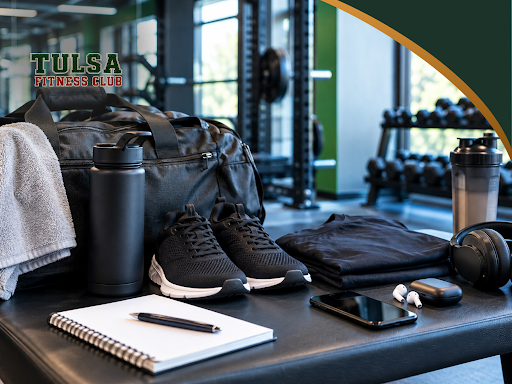
Walking into a gym for the very first time is a psychological hurdle. You are already battling the anxiety of the unknown, the fear of doing an exercise incorrectly, and the pressure of integrating into a new environment. The absolute last thing you need is to show up to the power rack realizing you forgot a critical piece of gear.
When beginners search the internet for what to bring to the gym, they are inevitably flooded with packing lists written by corporate fitness magazines. These lists tell you to pack eucalyptus-infused face towels, Bluetooth heart-rate monitors, three different changes of designer athleisure wear, and a locker padlock.
If you are joining a massive, sterile corporate health club to casually walk on a treadmill, that list might serve you well.
But if you are walking into a gritty, no-nonsense strength sanctuary, packing like you are going to a day spa is going to leave you entirely unprepared for the actual work.
At Tulsa Fitness Club (TFC), located at 314 E 3rd St. in the historic Blue Dome District, we do not cater to the spa crowd. We built a 24/7 barbell club for driven adults, competitive athletes, and professionals who demand respect and absolute pricing transparency. If you are preparing for your first week under the heavy iron, here is the brutally honest, strictly essential packing list you need to survive and thrive on the gym floor.
1. The Foundation: Proper Footwear
If you take one piece of advice from this entire list, let it be this: Do not wear running shoes to lift heavy weight.
The commercial fitness industry has convinced millions of people that a heavily cushioned, gel-injected running shoe is the ultimate athletic footwear. If you are running three miles on a treadmill, they are fantastic. But if you are placing a 225-pound barbell on your back to execute a heavy squat, wearing running shoes is a biological disaster.
The squishy foam sole compresses under the heavy load, creating a massively unstable, wobbling surface. It destroys your ankle stability, leaks force, and places incredible shearing stress on your knees.
What to Pack Instead: You need a hard, flat surface to drive absolute force through the floor.
- The Budget Option: A classic pair of flat-soled canvas shoes (like Chuck Taylors or Vans). The hard rubber sole does not compress under load, giving you a completely rigid base for deadlifts and squats.
- The Advanced Option: Dedicated, hard-soled weightlifting shoes with a raised heel. The elevated heel artificially increases your ankle mobility, allowing you to hit a deeper, more upright squat without your lower back rounding.
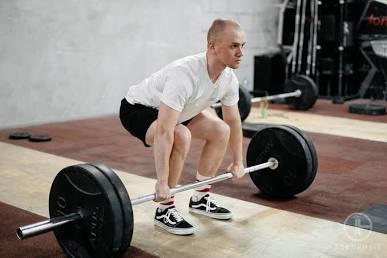
Ditch the running shoes. Heavy compound lifts require a hard, flat sole to ensure absolute stability and maximum force transfer through the floor.. Source: Torokhtiy Weightlifting
2. The Hardware: Straps, Chalk, and Belts
A corporate gym actively discourages the use of lifting hardware because they consider heavy exertion an insurance liability. In a true strength facility, this hardware is mandatory for physical progression. You are not “cheating” by using gear; you are isolating the target muscle and protecting your central nervous system.
Lifting Chalk
Corporate gyms ban chalk because it requires them to vacuum more often. At TFC, we expect you to use it. When you are pulling a heavy barbell from the floor, your hands will sweat. Chalk completely dries the skin, creating massive friction between your hand and the aggressive knurling of the barbell.
- Pack a small Tupperware container or a sealed Ziploc bag of magnesium carbonate block chalk.
Lifting Straps
When you are executing heavy Romanian Deadlifts or heavy dumbbell rows, your grip strength will almost always fail before your hamstrings or latissimus dorsi do. If you do not use lifting straps, you are artificially capping your back and leg growth based entirely on the size of your forearms.
- Pack a simple pair of cotton or nylon figure-8 or lasso lifting straps. Wrap them around the bar to lock your hands in place, taking the grip bottleneck completely out of the equation.
A Leather Power Belt
A lifting belt does not “support your back” mechanically. It serves as a rigid wall for your abdominal muscles to brace against. When you take a massive breath of air into your belly and push out against a thick leather belt, you create immense intra-abdominal pressure, which locks your spine into a rigid, indestructible column.
- Leave the flimsy, tapered nylon belts at home. Pack a 10mm or 13mm thick, genuine leather prong or lever belt.
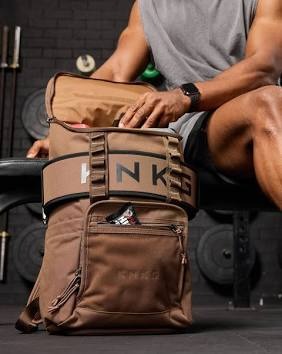
Your gym bag should carry the tools of physical adaptation. A thick leather belt, lifting straps, and chalk are non-negotiable for serious strength training.. Source: KNKG
3. Hydration and Fuel
You are going to sweat, and you are going to deplete your glycogen stores rapidly during a heavy lifting block.
Do not rely on the gym’s water fountain. When you are deeply focused on a 90-minute heavy leg day, walking across the gym floor every ten minutes to take a sip of lukewarm water completely breaks your mental intensity and your rest-period timing.
What to Pack:
- A Half-Gallon Jug: Bring a massive, reusable water bottle and keep it directly next to your power rack.
- Intra-Workout Fuel: If you are running a high-volume hypertrophy program, packing a shaker bottle with fast-digesting carbohydrates or electrolytes can prevent your blood sugar from crashing halfway through the session.
(Note: At TFC, we are integrating the on-site TFC Fuel Bar directly into the facility, so if you forget your post-workout protein or need a massive caffeine hit before you unrack the barbell, we have you completely covered.)
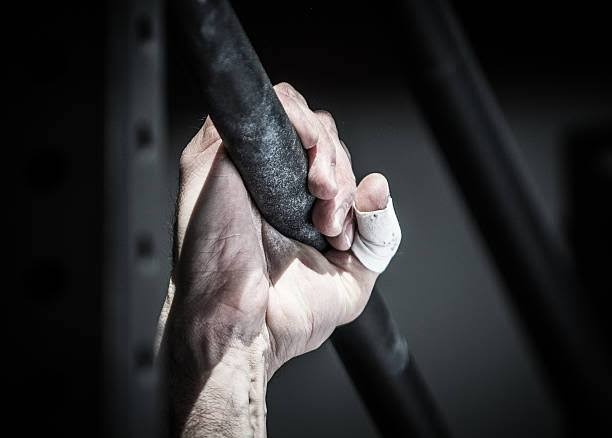
Chalk is not a luxury; it is a necessity for safe, heavy pulling. It secures the grip and prevents catastrophic slips when the central nervous system is fatigued.. Source: iStock
4. The Professional Transition (Shower Gear)
If you are a driven professional, your training schedule cannot interfere with your career. Commuting back to your downtown apartment just to shower before heading to the office burns massive amounts of your limited daily time.
A true premium 24/7 facility understands this logistical nightmare. At TFC, we provide clean, private showers so you can execute your lifting block and transition seamlessly into your professional day.
What to Pack in Your Secondary Bag:
- A clean towel (do not rely on the gym to do your laundry).
- Travel-sized body wash and shampoo.
- Deodorant and grooming essentials.
- Your full professional work attire (suit, scrubs, or business casual wear).
The Catalyst Coworking Advantage
We didn’t just build a better dumbbell rack; we built a comprehensive daily hub. We are actively developing our Catalyst Coworking space directly into the facility.
If you are packing for the gym, you should also be packing your laptop. You can crush a heavy workout at 6:30 AM, hit the private showers, grab a coffee from the Fuel Bar, and transition immediately into our secure Wi-Fi coworking lounge. You can knock out a morning of deep-focus professional work without ever leaving the building.
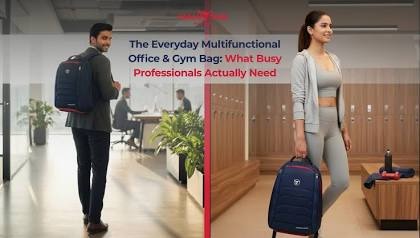
Your gym bag should support your entire day. TFC’s Catalyst Coworking integration allows you to pack your laptop alongside your lifting belt and execute both your physical and professional goals in one building.. Source: Urban Tribe
5. What NOT to Bring (Leave the Ego at Home)
Knowing what to leave out of your gym bag is just as important as knowing what to pack.
- A Padlock: At a corporate gym, you have to lock your gear up because the facility is flooded with thousands of transient, unvetted members. TFC is a private, secure, 24/7 key-fob access facility. Our members respect the space and each other.
- A Tripod: If you need to film a heavy set to check your squat depth or send it to your TFC coach for form analysis, prop your phone against a water bottle. Do not bring a massive ring light and a tripod to the floor. We are here to train, not to shoot a reality television show.
- The Corporate “Zero Down” Contract Mindset: Leave the expectation of hidden fees and predatory billing at the door.
6. The Ultimate Test: The Presale Advantage
At Tulsa Fitness Club, we actively rejected the deceptive billing practices of the commercial fitness machine. We baked elite coaching and absolute transparency directly into our pricing tiers.
- The Bronze Tier ($47/month): Unrestricted 24/7 access to the heavy iron, the massive dumbbell racks, and the dedicated platforms.
- The Silver Tier ($97/month): 24/7 access plus expertly designed, periodized programming templates so you never have to guess your routine.
- The Gold Tier ($297/month): The ultimate coaching replacement. Full Silver access, plus highly customized programming tailored to your specific biomechanics, and premium coaching check-ins.
Right now, you can lock in our Founding Member Presale Rate starting at just $37/month for the Bronze Tier (with your first month for only $1).
You pack your bag, you pay your dollar, and you get immediate access to the heavy iron. Because we require zero 12-month contracts and charge zero hidden maintenance fees, you are completely free to cancel if the gritty, old-school environment isn’t the right fit for you.
Stop packing your bag for a corporate spa. Demand access to real, heavy iron, secure your absolute pricing transparency, and train in a gritty, downtown facility that respects the intense work you put in.
Call us at 918-550-5549 or drop by our location at 314 E 3rd St., Tulsa, OK 74120 during our staffed hours to tour the facility, pick up your secure 24/7 key fob, and lock in your Founding Member pricing before the presale ends.