Gym Etiquette: What Not to Do in Your First Month
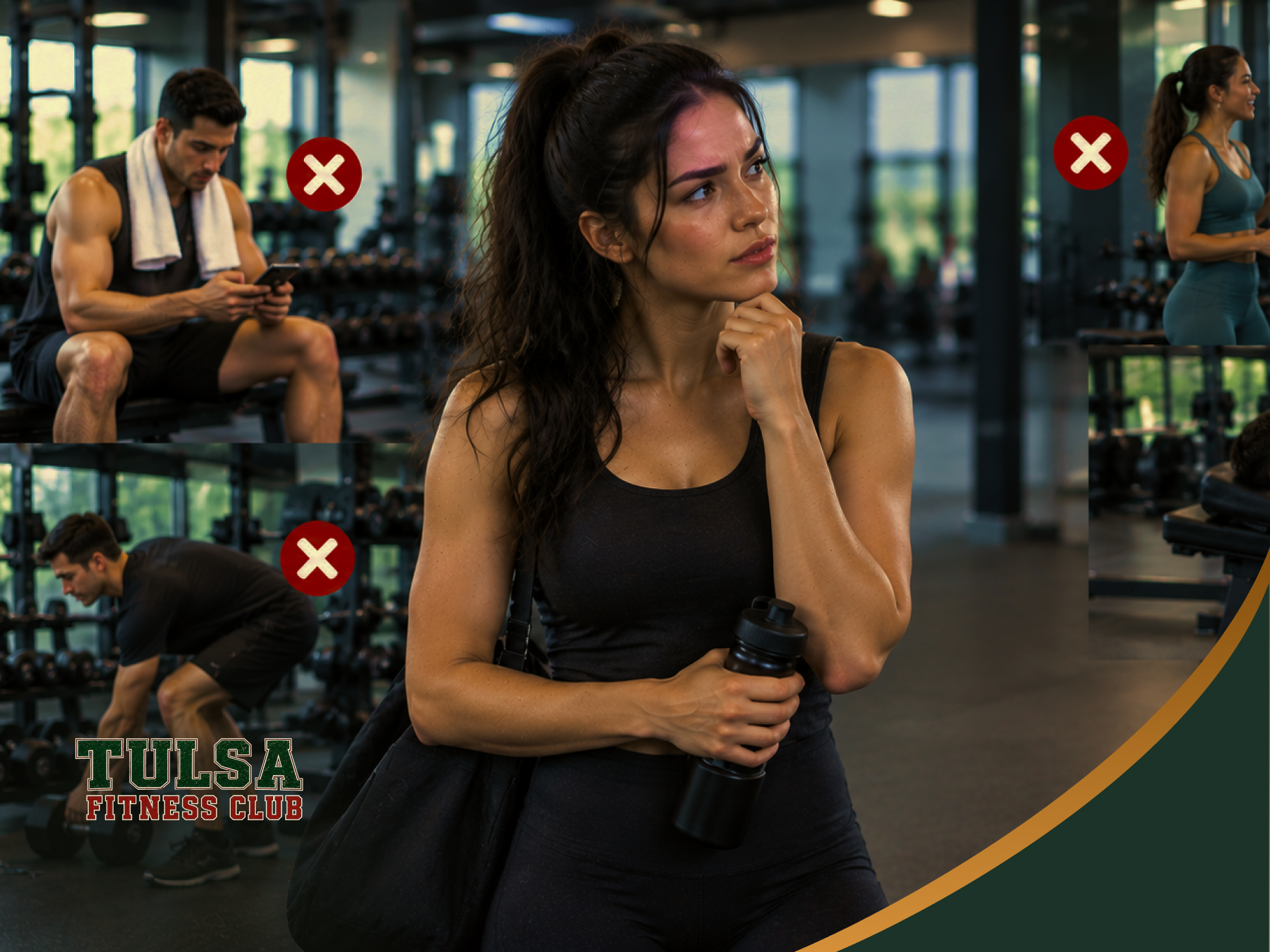
Walking into a gym for the first time is a psychologically demanding experience. You have finally committed to building a stronger, more capable body. You bought the right shoes, you drank your pre-workout, and you mapped out your routine. But the moment you step onto the training floor, a new wave of anxiety hits you: What if I do something wrong?
The fitness industry is full of unwritten rules. To a beginner, a crowded weight room can look like a chaotic maze of moving metal, grunting athletes, and complex machinery. If you don’t know the social flow of the room, it is incredibly easy to accidentally frustrate the veteran lifters around you.
But here is the truth: experienced lifters do not care how much weight you are lifting, and they do not care if your form isn’t perfect yet. We all started with an empty barbell. What they do care about is respect—respect for the equipment, respect for the space, and respect for the people around you.
At Tulsa Fitness Club (TFC) in the historic Blue Dome District, we pride ourselves on maintaining a gritty, focused, and highly respectful training culture. We believe that a gym should be a sanctuary for hard work, free from the chaotic, entitled behavior often found in massive commercial fitness centers.
If you are ready to start your strength journey but want to avoid the classic rookie mistakes, here is your definitive guide to the training floor. These are the mandatory gym etiquette tips you need to memorize in your first month.
1. The Iron Code: Equipment Management
The absolute fastest way to make enemies in a strength facility is to mishandle the equipment. A true gym operates on an ecosystem of shared resources. When you disrupt that ecosystem, you bottleneck everyone else’s workout.
Re-Rack Your Weights (No Exceptions)
This is the golden rule of the iron game. If you are strong enough to load a 45-pound plate onto a barbell, you are strong enough to take it off when you are done.
Leaving a barbell fully loaded or leaving dumbbells scattered across the floor is the ultimate sign of disrespect. It assumes your time is more valuable than the next person’s, forcing them to clean up your mess before they can start their own set. When you finish an exercise, strip the bar completely and put the dumbbells back in their designated spots on the rack in numerical order.
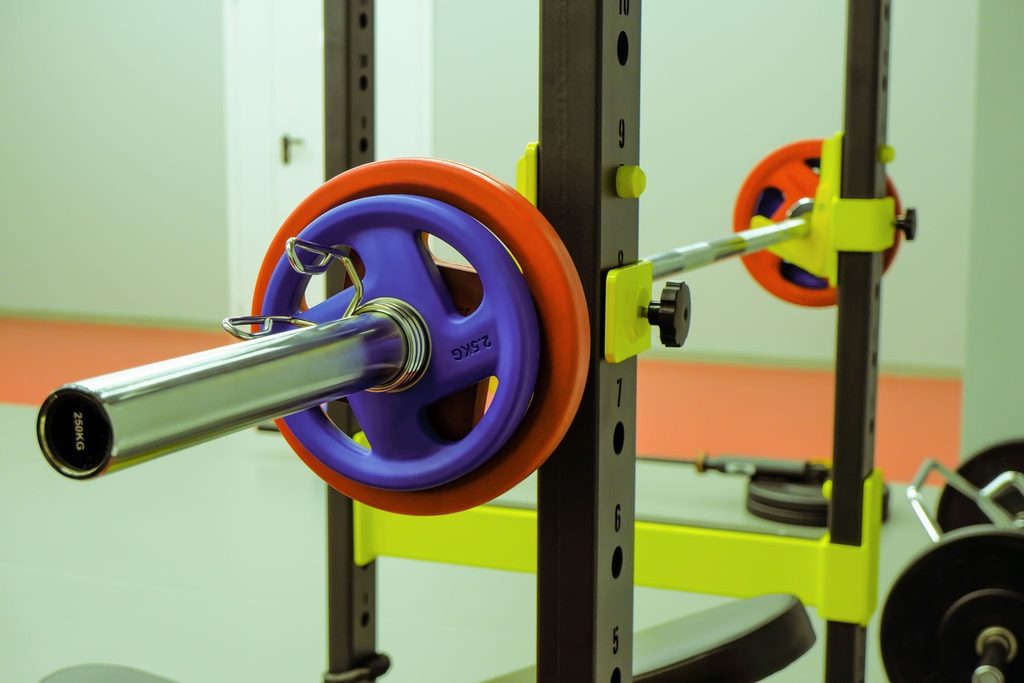
If you load the barbell, you must unload it. Leaving plates on a rack forces the next lifter to clean up your mess, which is a major violation of gym etiquette.. Source: Aleksander Zaitsev / Getty Images
Do Not Hoard the Dumbbells
During peak hours, equipment is at a premium. A common beginner mistake is grabbing three different sets of dumbbells (e.g., the 15s, 20s, and 25s) and bringing them all to a single bench for a “drop set.” If the gym is crowded, you are actively preventing two other people from training. Take one set at a time. When you need a different weight, walk back to the rack and swap them out.
The Squat Rack is for Squatting
The power rack is the most valuable piece of real estate in any serious strength facility. It is designed for heavy compound movements that require safety pins—specifically barbell squats, heavy rack pulls, and overhead presses.
Never do bicep curls in the squat rack. You can curl a barbell literally anywhere on the floor. If you are taking up a premier squat station to do a lightweight isolation exercise, you will undoubtedly draw the ire of every strength athlete in the building.
2. Spatial Awareness and Flow
A gym floor is a dynamic environment with heavy, moving objects. Developing spatial awareness keeps you safe and keeps you out of everyone else’s way.
1
The Line of Sight Rule
Respect the mirror
Mirrors in a gym are not just for taking selfies; they are critical tools for monitoring form during complex lifts. If someone is executing a heavy set of dumbbell shoulder presses while facing the mirror, do not walk between them and the mirror. Wait five seconds for them to finish their set, or walk behind their bench. Breaking a lifter’s visual focus mid-rep is dangerous.
2
Clear the Drop Zone
Give people room to fail
If someone is performing a heavy deadlift, an Olympic lift, or using heavy dumbbells, they need a safe “drop zone” in case they fail the rep. Never walk closely behind or stand directly next to a lifter moving max effort weight. If they have to dump the barbell to avoid injury, you do not want to be standing where the iron lands.
3
The Two-Step Back Rule
Don’t train on top of the rack
When you pick up a pair of dumbbells from the rack, do not execute your exercise while standing two inches away from the rack. You are blocking everyone else from accessing the weights. Pick up your dumbbells, take two large steps backward, and then begin your set.
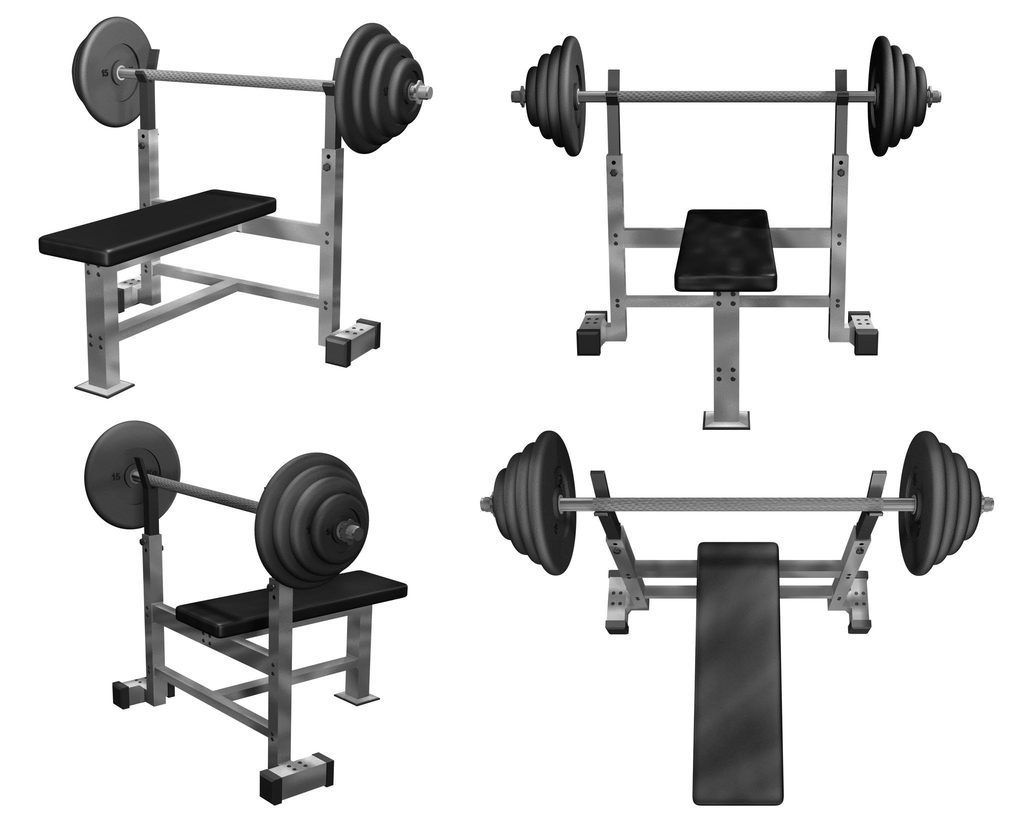
Always be aware of your footprint. Position your bench away from high-traffic pathways and dumbbell racks to maintain the flow of the gym floor.. Source: jamesbenet / Getty Images
Generating interactive visual…Structuring code, this may take a minute
3. The Social Contract
Gyms are inherently social spaces, but they are spaces designed for work. Navigating the social dynamics requires reading the room and respecting boundaries.
The Universal Headphone Rule
If someone is wearing over-ear headphones or has their earbuds in, they are politely signaling that they do not want to be disturbed. Unless the building is on fire or they are about to drop a barbell on their neck, do not initiate casual small talk. If you absolutely must ask them a question (e.g., “Are you using this bench?”), give them a small wave to get their attention before speaking.
How to “Work In”
If the gym is busy and someone is using the machine you need, you do not have to stand around and wait for 15 minutes. It is perfectly acceptable to ask to “work in.”
Approach the person after they finish their set and ask, “Hey, mind if I work in with you?” If they say yes, you will do your set while they are resting, and vice versa. However, if you work in, you must follow the rules of engagement:
- Help them adjust the seat or the weight back to their specifications after your set.
- Do not take a five-minute rest and slow down their workout.
- If you sweat heavily, wipe the bench down quickly before they sit back down.
Unsolicited Advice
Unless you are a certified strength coach employed by the facility, keep your form corrections to yourself. Giving unsolicited advice to a stranger is almost universally poorly received and can make beginners feel incredibly self-conscious. Focus on your own workout.
4. Hygiene and Facility Respect
The training floor is a shared, enclosed environment. Basic hygiene is a mandatory sign of respect for the facility and your fellow members.
| The Offense | The Reality | The Fix |
| Leaving Sweat Puddles | No one wants to lay in your sweat to do a bench press. It is unsanitary and disrespectful. | Always grab a sanitizing wipe or spray bottle provided by the gym and thoroughly wipe down the bench, machine handles, or yoga mat immediately after you finish your last set. |
| Tripping Hazards | Leaving your massive duffel bag, foam roller, and lifting belt scattered across the walkway creates a severe safety hazard. | Keep your gym bag in a locker. If you must bring a small bag to the floor, tuck it completely under a bench or tightly against the wall. |
| Chalk Explosions | Chalk is essential for heavy deadlifts, but treating the bucket like a sandbox ruins the equipment and the floor. | Apply chalk inside the bucket. Clap your hands gently inside the bucket to remove the excess. Do not leave chalk handprints all over the benches or weight plates. |
Key insight: The hallmark of a great gym member is leaving the equipment exactly as you found it (or better). If you see a rogue dumbbell on the floor, pick it up, even if you didn’t leave it there.
Upgrade Your Environment at Tulsa Fitness Club
It is much easier to practice good etiquette when you are surrounded by people who respect the iron.
If you attempt to apply these rules in a massive commercial fitness center, you will likely find yourself frustrated by crowds of people who treat the gym like a social club or a jungle gym. You need an environment that inherently commands focus.
At Tulsa Fitness Club, we built exactly that. Located at 314 E 3rd St. in the Blue Dome District, TFC is a classic strength sanctuary designed for busy professionals, serious lifters, and beginners who want to learn the right way.
Why TFC is the Ultimate Training Ground
- The Right Equipment: We prioritize heavy-duty power racks, deadlift platforms, and competition-grade iron. You have the space to execute heavy compound movements without bottlenecking the floor.
- Unrestricted 24/7 Access: Your encrypted digital key fob grants you immediate access 365 days a year. If you prefer to train at 4:00 AM to avoid the crowds while you learn the ropes, you have total autonomy.
- A Culture of Respect: Our members are dedicated to the work. There are no “lunk alarms,” but there is a deep, mutual respect for the facility and the equipment.
We don’t charge initiation fees, and we never trap you in a contract.
Right now, you can lock in our Bronze Tier at the exclusive Founding Member Presale Rate of just $37/month (with your first month for only $1).
If you are a beginner looking to eliminate the guesswork, our Silver Tier ($97/mo) provides expertly designed programming templates, while our Gold Tier ($297/mo) offers premium coaching check-ins and highly customized programming to ensure you master your form safely.
Plus, with the upcoming integration of our Catalyst Coworking space and Fuel Bar, TFC is rapidly becoming the ultimate off-site location for downtown professionals to train heavily, recover properly, and work deeply.
Stop wandering around commercial gyms feeling out of place. Join a facility that respects the iron and supports your progress.
Call us at 918-550-5549 or drop by during staffed hours to tour the facility, pick up your key fob, and lock in your membership before the presale ends.